


Top Flooring Installation Tips for Beginners
- realwoodwork
- Nov 17, 2025
- 3 min read
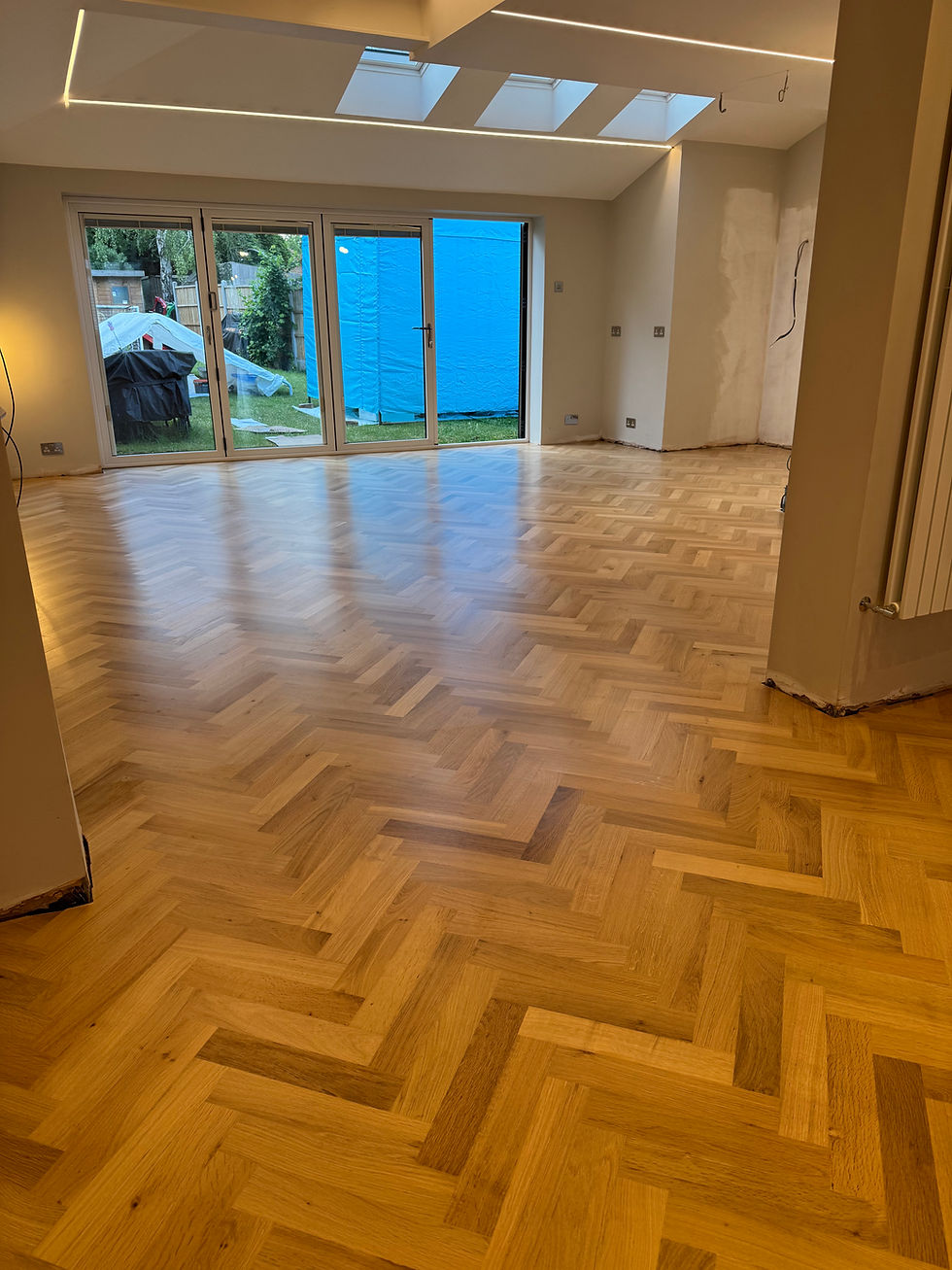
Installing flooring can transform a space, adding warmth, style, and value. For those new to this task, understanding the right methods and preparations is essential. I share practical advice and clear steps to help you achieve a professional finish. This guide focuses on premium parquet flooring, a choice that combines elegance with durability, ideal for both homes and commercial settings.
Understanding Floor Installation Techniques
Before starting, it is important to grasp the basic floor installation techniques. These vary depending on the type of flooring material, subfloor condition, and room use. Parquet flooring, for example, requires precise alignment and secure fixing to maintain its pattern and longevity.
Key techniques include:
Subfloor preparation: Ensuring the surface is clean, dry, and level.
Acclimatisation: Allowing the wood to adjust to room temperature and humidity.
Layout planning: Mapping the pattern to avoid awkward cuts and ensure symmetry.
Fixing methods: Choosing between glue-down, nail-down, or floating installations.
Each step demands attention to detail. Skipping or rushing any part can lead to issues such as warping, gaps, or uneven surfaces.

Essential Tools and Materials for Floor Installation
Having the right tools and materials is crucial for a smooth installation process. For parquet flooring, the following are typically required:
Measuring tape and chalk line: For accurate measurements and straight guidelines.
Saw (preferably a mitre saw): To cut wood pieces precisely.
Rubber mallet and tapping block: To fit pieces tightly without damage.
Adhesive suitable for parquet: Ensures strong bonding to the subfloor.
Moisture barrier: Protects wood from dampness.
Flooring spacers: Maintain expansion gaps around the room perimeter.
Using quality tools reduces the risk of errors and speeds up the work. It is also wise to wear safety gear such as gloves and eye protection.
Preparing the Subfloor for Installation
A well-prepared subfloor is the foundation of a successful flooring project. The subfloor must be:
Clean: Remove dust, debris, and old adhesive residues.
Dry: Moisture can cause wood to swell or warp.
Level: Uneven surfaces lead to unstable flooring and visible imperfections.
To check levelness, use a spirit level or laser level. Minor unevenness can be corrected with a self-levelling compound. For concrete subfloors, ensure curing is complete and moisture levels are within acceptable limits.

Step-by-Step Guide to Installing Parquet Flooring
Following a clear sequence helps maintain quality and efficiency. Here is a step-by-step approach:
Acclimatise the wood: Leave the parquet blocks in the room for at least 48 hours.
Plan the layout: Mark the centre of the room and snap chalk lines to guide placement.
Apply adhesive: Spread evenly with a notched trowel, working in small sections.
Lay the parquet blocks: Start from the centre, pressing each piece firmly into the adhesive.
Use spacers: Maintain a consistent expansion gap around the edges.
Tap blocks into place: Use a rubber mallet and tapping block to ensure tight joints.
Allow adhesive to cure: Follow manufacturer’s instructions, usually 24-48 hours.
Sand and finish: If required, sand the surface and apply a protective finish.
This method ensures a stable, attractive floor that will last for years.
Common Challenges and How to Avoid Them
Even with careful planning, some issues may arise during installation. Awareness and preparation can prevent these problems:
Uneven subfloor: Always check and correct before starting.
Incorrect acclimatisation: Skipping this step can cause wood to expand or contract after installation.
Poor adhesive application: Uneven glue can lead to loose tiles or gaps.
Inconsistent spacing: Expansion gaps are necessary to accommodate wood movement.
Cutting errors: Measure twice, cut once to avoid waste and misfits.
If you encounter difficulties, pause and reassess rather than forcing pieces into place. Patience and precision are key.
Final Thoughts on Achieving a Professional Finish
Installing parquet flooring is a rewarding project when approached methodically. I recommend reviewing flooring installation tips from trusted sources to deepen your understanding. Remember to:
Take your time with preparation.
Use the right tools and materials.
Follow installation steps carefully.
Address challenges promptly.
A well-installed parquet floor enhances any space with timeless beauty and durability. Whether for a luxury home or a commercial project, attention to detail ensures the best results.


Comments