


Exploring the Latest Parquet Design Trends for Your Home
- realwoodwork
- Mar 9
- 4 min read
Parquet flooring has long been a symbol of elegance and craftsmanship in interior design. Today, it continues to evolve, blending traditional techniques with contemporary aesthetics. This post explores the latest parquet design trends, offering practical insights for those considering parquet flooring for their homes or commercial spaces. I will guide you through current styles, materials, and installation methods that define modern parquet flooring.
Understanding the Latest Parquet Design Trends
Parquet flooring is no longer limited to the classic herringbone or chevron patterns. Designers and homeowners now experiment with a variety of layouts, wood types, and finishes to create unique flooring solutions. Some of the most popular trends include:
Geometric patterns: Beyond the traditional, intricate geometric shapes such as hexagons and diamonds are gaining popularity. These patterns add a dynamic visual interest to any room.
Mixed wood tones: Combining different wood species or finishes in one floor creates a striking contrast and depth.
Wide planks with parquet motifs: Larger planks featuring parquet-style inlays offer a modern twist on classic designs.
Matte and satin finishes: These finishes provide a subtle sheen that enhances the natural beauty of the wood without overwhelming the space.
These trends reflect a desire for floors that are both functional and artistic. They suit a range of interiors, from minimalist to more ornate settings.

What is the Trend in Parquet in 2025?
Looking ahead to 2025, parquet flooring trends continue to embrace innovation while respecting tradition. The focus shifts towards sustainability and versatility. Key developments include:
Eco-friendly materials: There is a growing preference for sustainably sourced wood and environmentally responsible finishes.
Customisable patterns: Advances in manufacturing allow for bespoke parquet designs tailored to individual tastes and architectural styles.
Integration with underfloor heating: Parquet floors are increasingly designed to work efficiently with modern heating systems, ensuring comfort without compromising aesthetics.
Textured surfaces: Floors with subtle textures or hand-scraped finishes add tactile interest and reduce slipperiness.
These trends indicate a move towards parquet flooring that is adaptable, durable, and environmentally conscious.
Choosing the Right Wood and Finish for Your Parquet Floor
Selecting the appropriate wood species and finish is crucial for achieving the desired look and longevity. Common wood types used in parquet flooring include oak, walnut, maple, and cherry. Each offers distinct characteristics:
Oak: Durable and versatile, oak is a popular choice with a warm, classic appearance.
Walnut: Known for its rich, dark tones, walnut adds sophistication.
Maple: Light in colour with a smooth grain, maple brightens spaces.
Cherry: Offers a reddish hue that deepens over time, adding character.
Finishes range from natural oils to polyurethane coatings. Natural oils penetrate the wood, enhancing its texture and allowing it to age gracefully. Polyurethane finishes provide a protective layer that is more resistant to wear and moisture.
When selecting finishes, consider the room’s use and lighting. Matte finishes work well in high-traffic areas, while satin or semi-gloss finishes can highlight the wood’s grain in well-lit rooms.
Installation Techniques and Maintenance Tips
Proper installation is essential for the durability and appearance of parquet flooring. Common installation methods include:
Glue-down: The parquet is glued directly to the subfloor, providing stability and sound insulation.
Floating floor: Parquet panels are attached to each other but not fixed to the subfloor, allowing for easier installation and replacement.
Nail-down: Traditional method where parquet blocks are nailed to a wooden subfloor, offering a secure fit.
Maintenance is straightforward but requires regular attention to preserve the floor’s beauty:
Sweep or vacuum frequently to remove dirt and grit.
Use a damp mop with a wood floor cleaner recommended by the manufacturer.
Avoid excessive water and harsh chemicals.
Place protective pads under furniture to prevent scratches.
Refinish the floor every few years to restore its original look.
Following these guidelines ensures your parquet floor remains a stunning feature for years.

Enhancing Interiors with Parquet Flooring
Parquet flooring can transform the atmosphere of any room. Its versatility allows it to complement various interior styles:
Modern minimalism: Simple, clean parquet patterns in light woods create an airy, spacious feel.
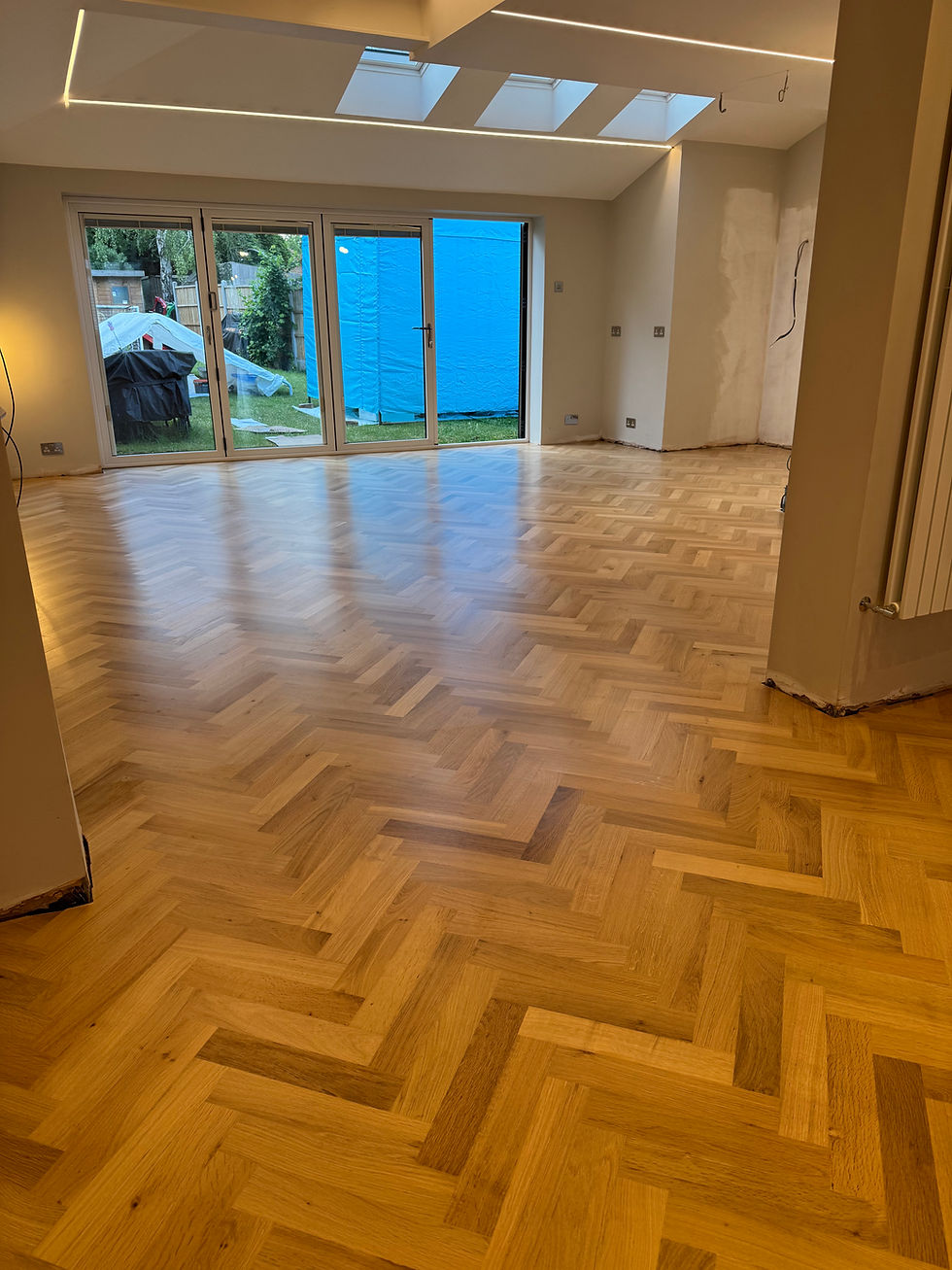
Classic elegance: Traditional herringbone or chevron patterns in rich woods add timeless charm.
Eclectic designs: Combining different patterns and wood tones can produce a unique, personalised look.
Commercial spaces: Parquet floors bring warmth and sophistication to offices, hotels, and retail environments.
When planning your parquet floor, consider the room’s function, lighting, and existing décor. Parquet can serve as a focal point or a subtle backdrop, depending on the design choices.
Final Thoughts on Parquet Flooring Trends
Parquet flooring remains a top choice for those seeking a blend of beauty, durability, and craftsmanship. The latest trends reflect a balance between innovation and tradition, with a strong emphasis on sustainability and customisation. By understanding these trends and selecting the right materials and installation methods, you can create a floor that enhances your space and stands the test of time.
For those interested in exploring modern parquet design trends further, it is advisable to consult with experienced professionals who can provide tailored advice and complete service from start to finish. This approach ensures a seamless experience and a floor that meets both aesthetic and practical needs.


Comments