


The Importance of Responsibly Sourced Timber
- realwoodwork
- Oct 14, 2025
- 4 min read
Choosing the right flooring is a critical decision for any property. It affects aesthetics, durability, and environmental impact. Sustainable flooring wood offers a solution that balances beauty with responsibility. This post explores why sustainable wood matters, how it benefits projects, and practical ways to ensure timber is sourced responsibly.
Understanding Sustainable Flooring Wood and Its Benefits
Sustainable flooring wood refers to timber harvested in a way that maintains forest health and biodiversity. It ensures that wood products come from forests managed to meet current needs without compromising future generations. This approach supports ecological balance and reduces environmental damage.
Using sustainable wood has several advantages:
Environmental protection: It helps preserve forests, which are vital carbon sinks and habitats.
Quality assurance: Sustainable forests often produce higher-quality timber due to better management.
Market value: Eco-conscious buyers increasingly prefer sustainable products, adding value to properties.
Regulatory compliance: Many regions require proof of sustainable sourcing to meet legal standards.
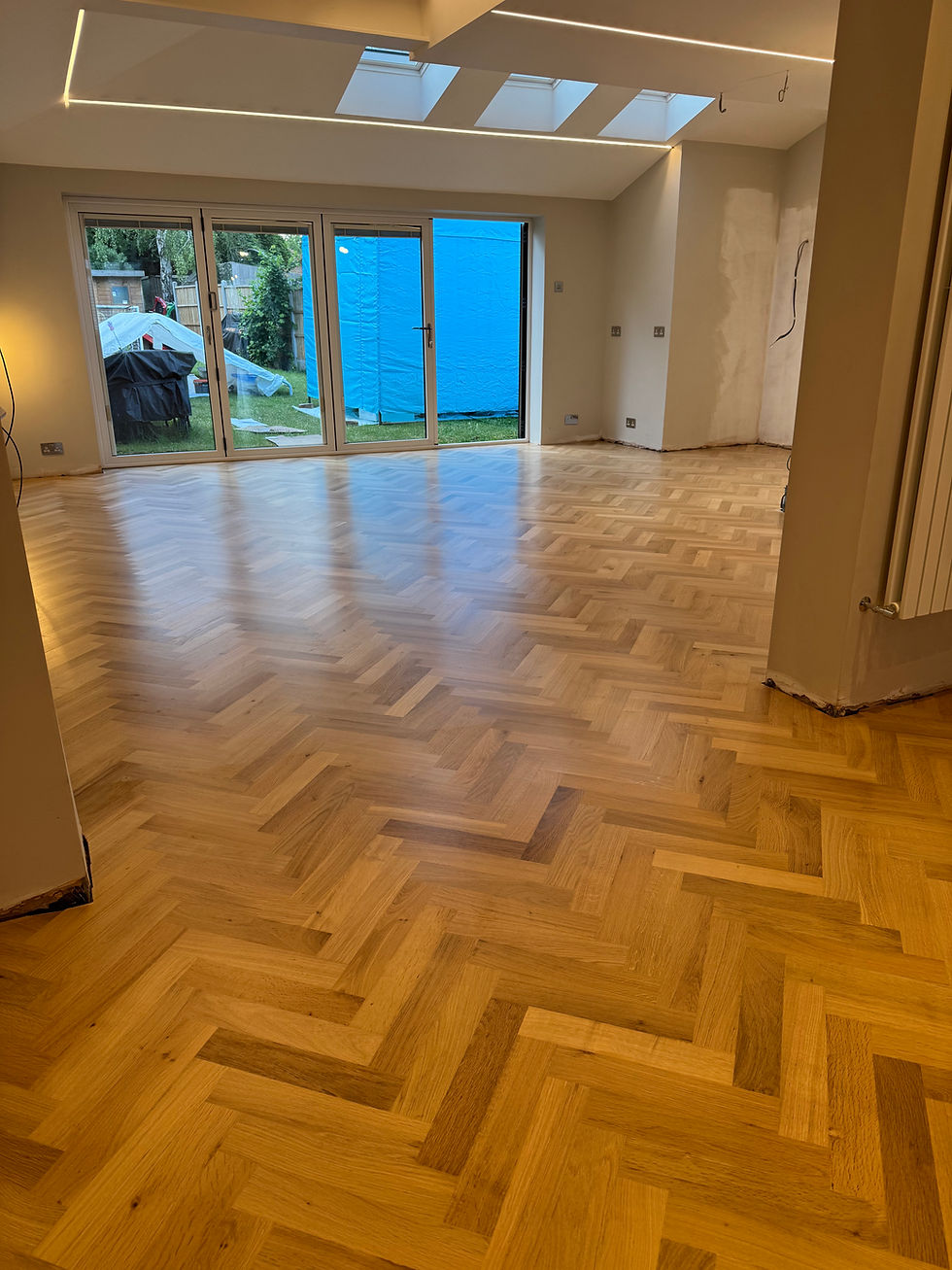
For example, parquet flooring made from sustainably harvested oak or walnut not only looks elegant but also supports forest conservation efforts. This makes it an excellent choice for both residential and commercial spaces.

The Role of Sustainable Flooring Wood in Design and Construction
Incorporating sustainable flooring wood into design projects enhances both aesthetics and environmental responsibility. Designers and builders can select from a variety of wood species that offer unique grains, colours, and textures while ensuring sustainability.
Key considerations include:
Certification: Look for timber certified by organisations such as FSC (Forest Stewardship Council) or PEFC (Programme for the Endorsement of Forest Certification).
Durability: Sustainable wood often comes from slow-growing trees, resulting in denser, longer-lasting flooring.
Versatility: Sustainable timber can be used in various styles, from classic herringbone parquet to modern plank layouts.
Maintenance: Properly sourced wood tends to require less chemical treatment, making maintenance safer and easier.
For instance, French Parquet Ltd offers a range of sustainable flooring wood options that combine traditional craftsmanship with eco-friendly sourcing. This approach supports the company’s goal to be the top choice for premium parquet flooring in London and across the UK.

How can we source timber more responsibly?
Sourcing timber responsibly involves several practical steps that ensure the wood’s origin and harvesting methods meet sustainability criteria. Here are some actionable recommendations:
Verify certification: Always request documentation proving timber certification. FSC and PEFC labels are reliable indicators.
Choose local suppliers: Reducing transportation distances lowers carbon emissions and supports local economies.
Ask about forest management: Inquire if the supplier practices selective logging, replanting, and biodiversity conservation.
Prioritise reclaimed wood: Using reclaimed or recycled timber reduces demand for new logging and adds character to flooring.
Engage with experts: Work with companies that provide full transparency and traceability of their timber sources.
By following these steps, it is possible to ensure that the timber used in flooring projects is both beautiful and sustainable. This commitment benefits the environment and enhances the reputation of any design or construction project.

The Impact of Responsibly Sourced Timber on the Environment and Economy
Using responsibly sourced timber supports forest conservation and reduces illegal logging. Forests play a crucial role in regulating climate, protecting water cycles, and providing habitats for wildlife. Unsustainable logging leads to deforestation, soil erosion, and loss of biodiversity.
Economically, responsible timber sourcing creates jobs in forest management, harvesting, and processing. It encourages sustainable practices that can be maintained long-term, unlike short-term exploitation. This stability benefits communities dependent on forestry and promotes ethical business practices.
For example, premium parquet flooring projects that use responsibly sourced timber contribute to a circular economy. They reduce waste, promote recycling, and encourage sustainable consumption patterns. This approach aligns with growing consumer demand for environmentally friendly products.
Practical Tips for Choosing Sustainable Flooring Wood
When selecting sustainable flooring wood, consider the following practical tips:
Research species: Some wood species are more sustainable due to faster growth or abundance. Examples include bamboo, eucalyptus, and certain types of oak.
Check supplier credentials: Choose suppliers with a proven track record in sustainability and transparency.
Consider lifecycle: Evaluate the entire lifecycle of the flooring, from harvesting to disposal or recycling.
Plan for maintenance: Sustainable wood may require specific care to maintain its appearance and durability.
Balance aesthetics and ethics: Select wood that meets design goals without compromising environmental values.
By applying these tips, you can make informed decisions that enhance the quality and sustainability of your flooring projects.
Moving Forward with Sustainable Flooring Wood
Adopting sustainable flooring wood is a responsible choice that benefits the environment, economy, and design quality. It requires awareness, careful selection, and collaboration with trusted suppliers. Companies like French Parquet Ltd demonstrate how premium parquet flooring can be both beautiful and sustainable.
As demand for eco-friendly materials grows, integrating sustainable wood into projects will become standard practice. This shift supports healthier forests, reduces carbon footprints, and meets the expectations of discerning clients.
Choosing sustainable flooring wood is not just a trend - it is a necessary step towards a more responsible and resilient future in construction and design.


Comments