


Essential Flooring Installation Tips for UK Homes
- realwoodwork
- Sep 22, 2025
- 3 min read
Installing flooring in a home is a significant project that requires careful planning and execution. Whether you choose hardwood, laminate, or parquet, the process demands attention to detail to ensure a durable and attractive finish. I share practical advice and clear steps to help you achieve the best results for your flooring installation.
Preparing Your Space: The First Step in Your Flooring Installation Guide
Before starting any installation, preparation is key. The subfloor must be clean, dry, and level. Any imperfections can affect the final appearance and longevity of your flooring. I recommend checking for moisture levels, especially in older homes where damp can be an issue.
Remove all furniture and fittings from the room. If you are replacing old flooring, take care to remove it completely, including any adhesive residues. This creates a smooth surface for the new floor.
Next, measure the room accurately. This helps you order the right amount of material and avoid costly shortages or excess. Always add an extra 5-10% to your measurements to account for cutting and waste.

Step-by-Step Flooring Installation Guide
Once your space is ready, follow these steps for a successful installation:
Acclimatise the Flooring
Bring your flooring materials into the room and leave them for at least 48 hours. This allows the wood to adjust to the room temperature and humidity, reducing the risk of warping after installation.
Lay Underlay
Use an appropriate underlay to provide cushioning, reduce noise, and act as a moisture barrier. The type of underlay depends on your flooring choice and subfloor condition.
Plan Your Layout
Decide the direction of the flooring planks. Typically, running them parallel to the longest wall or the main light source creates a pleasing effect. Mark guidelines on the subfloor to keep your rows straight.
Install the Flooring
Start laying the planks from one corner, leaving a small expansion gap around the edges to allow for natural movement. Use spacers to maintain this gap consistently.
Cut and Fit
Measure and cut planks carefully to fit around doorways and corners. Use a saw suitable for your flooring type to ensure clean edges.
Secure the Flooring
Depending on the flooring type, you may need to glue, nail, or click the planks together. Follow manufacturer instructions closely.
Finish with Skirting Boards
Replace or install skirting boards to cover expansion gaps and give a polished look.
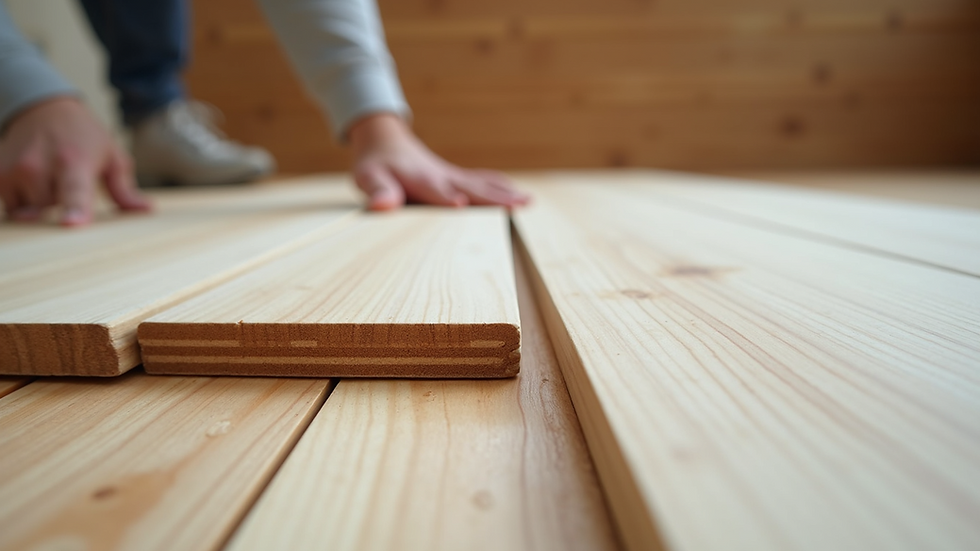
What are some common mistakes when laying laminate flooring?
Laminate flooring is popular for its affordability and ease of installation. However, several common errors can compromise the final result:
Skipping Acclimatisation
Installing laminate without allowing it to acclimatise can cause buckling or gaps later.
Ignoring Subfloor Preparation
Uneven or dirty subfloors lead to uneven laminate surfaces and premature wear.
Incorrect Expansion Gaps
Failing to leave proper gaps around the edges restricts natural movement and causes warping.
Poor Alignment
Not using guidelines results in crooked rows and an unprofessional appearance.
Using the Wrong Tools
Cutting laminate with inappropriate tools can cause splintering or damage.
Avoiding these mistakes ensures your laminate floor looks great and lasts longer.
Choosing the Right Flooring for Your UK Home
Selecting the right flooring depends on several factors including room use, style preferences, and budget. Here are some common options and their benefits:
Solid Hardwood
Offers timeless beauty and durability. Ideal for living rooms and bedrooms. Requires professional installation and maintenance.
Engineered Wood
More stable than solid wood, suitable for areas with fluctuating humidity. Easier to install with click systems.
Laminate Flooring
Cost-effective and easy to install. Good for high-traffic areas but less durable than wood.
Parquet Flooring
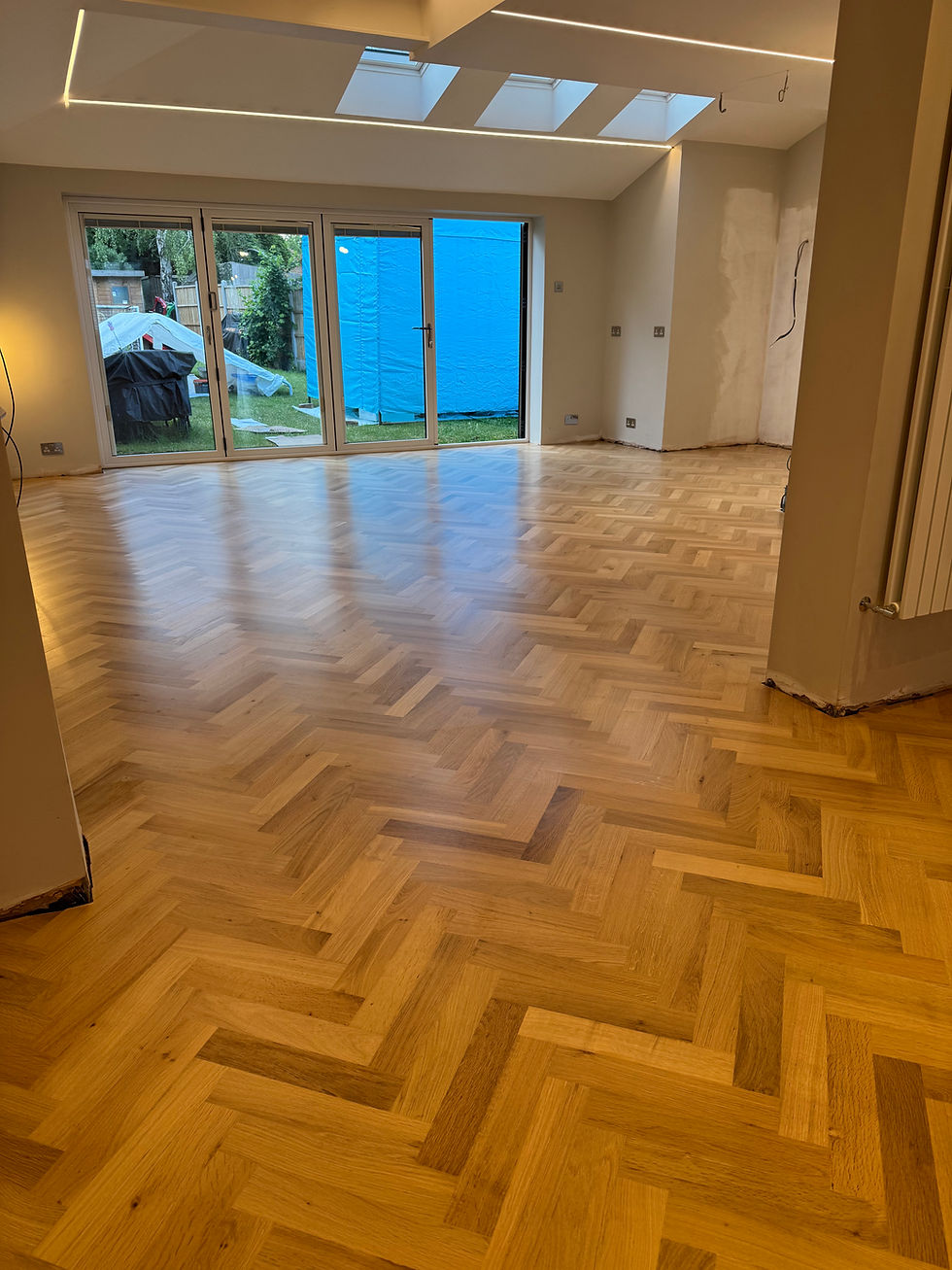
Adds elegance with intricate patterns. Perfect for formal spaces and commercial projects. Installation requires skill.
Consider the room’s function and foot traffic when choosing. For example, kitchens and bathrooms need water-resistant options.

Final Advice for a Successful Flooring Project
To complete your flooring project smoothly, keep these points in mind:
Hire Professionals When Needed
Complex flooring types like parquet benefit from expert installation to ensure precision.
Use Quality Materials
Invest in good-quality flooring and underlay to enhance durability and appearance.
Follow Manufacturer Guidelines
Each flooring product has specific installation requirements. Adhering to these prevents issues.
Maintain Your Floor
Regular cleaning and care extend the life of your flooring.
For those seeking detailed flooring installation tips, I recommend consulting specialist resources and suppliers who offer comprehensive support.
By following these guidelines, you can achieve a beautiful, long-lasting floor that enhances your home or commercial space. Proper preparation, careful installation, and ongoing maintenance are the keys to success.


Comments